Understanding Diversity Hiring in Today’s Workplace

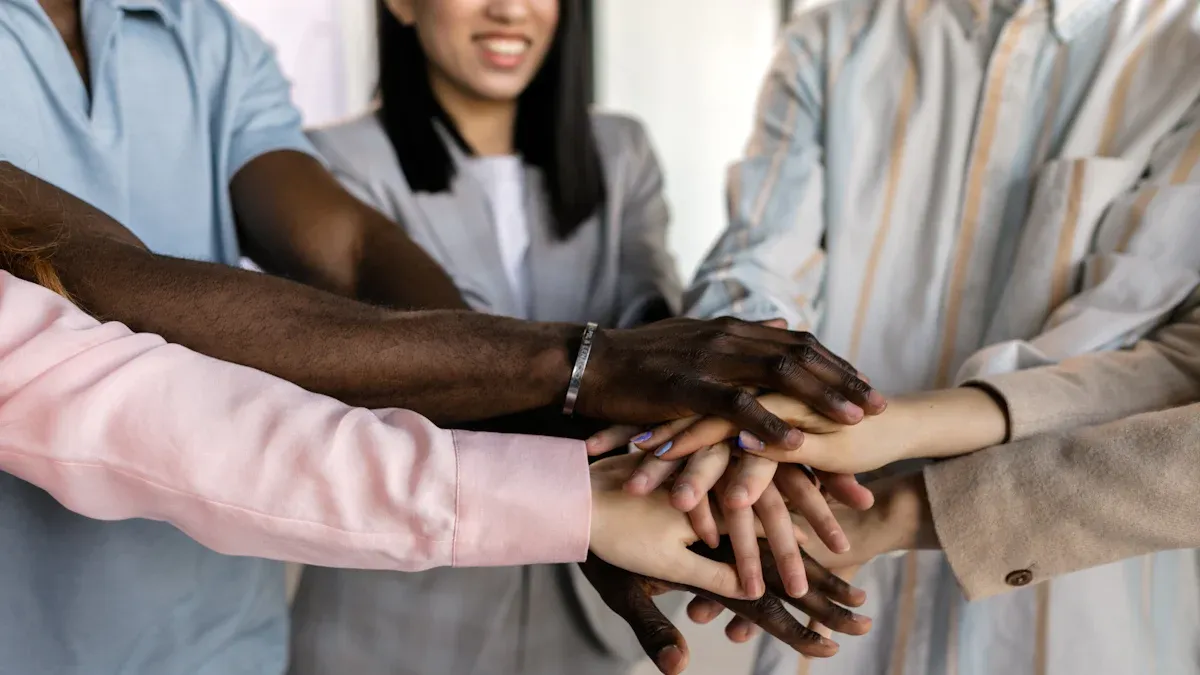
Diversity hiring in 2025 means companies pick people for their skills. They do not choose based on background or bias. Fair and inclusive steps help everyone get a chance.
Many companies use diversity hiring because:
87% check workforce diversity numbers
76% set official diversity goals
Structured interviews lower bias by over 35%
MokaHR Recruitment Automation makes these steps easier and better.
Diversity Hiring Today
What Is Diversity Hiring?
Diversity hiring in 2025 means companies want people with different backgrounds. They look for many identities and experiences. Skills and fairness are the main focus. Leading HR groups say diversity hiring includes race, gender identity, sexual orientation, and disability status. The goal is to make workplaces look like the real world. This way, everyone’s ideas matter and people feel welcome.
Now, diversity hiring uses merit-based recruitment. Companies make clear rules for hiring. Blind recruitment removes names and photos from applications. This stops unconscious bias from happening. Many groups use structured interviews and pre-employment tests. These steps help make hiring fair and focus on skills.
MokaHR Recruitment Automation helps remove bias in hiring. The system uses AI to check skills. It takes out personal details that could cause bias. MokaHR also helps teams follow the rules and stay fair. For example, Unilever used predictive models to find and fix bias. Deloitte used data to lower turnover for underrepresented groups by 10%. These examples show how technology and data help make hiring more inclusive.
Why Diversity Hiring Matters
Diversity hiring gives many benefits to companies. Teams with different backgrounds make better choices. They also think of more ideas. Research shows cognitive diversity can help teams be 20% more creative. Diverse teams come up with 30% more ideas when brainstorming. Companies with more diversity are 25% more likely to do well with money.
Diversity hiring also makes company culture better. Employees in diverse workplaces feel more involved. They are 19% more likely to stay at their jobs. Companies with strong diversity values get more job seekers and customers. This proves that inclusion and equity help companies grow and do well.
Common Challenges in Diversity Hiring
Companies face some problems with diversity hiring. Unconscious bias is a big issue. Recruiters may pick people who are like them. This can make teams think the same way. Small talent pipelines make it hard to find diverse people. Some companies only search in the same places for new workers.
Many groups fall into the "cultural fit" trap. They want people who fit in, but this can leave out new ideas. Without good rules and training, diversity hiring may not work well.
MokaHR Recruitment Automation helps fix these problems. The platform uses AI to check candidates and remove bias. It also helps teams follow fair hiring steps. For example, the City of Roseville used a plan to make its workforce more diverse. Portland Public Schools used data to support equity and inclusion. These examples show that technology and planning can make diversity hiring work better.
Inclusive Hiring Strategies
Review Current Practices
Organizations begin by checking how they hire now. They often find bias in resume checks or interviews. Teams use workshops and online lessons to help recruiters spot bias. Some companies set diversity goals to keep inclusion important. Admitting bias is real helps everyone stay aware.
Many groups use these ideas:
Use structured interviews to lower bias and keep questions the same.
Use resume screening focusing on skills and experiences.
Make interview panels with different people for more views.
Train recruiters to spot and fix bias.
Use AI tools, like MokaHR, to check skills.
Use data to make fair choices.
Applicant tracking systems, like MokaHR, help teams see who applies and track diversity. They check how many people from different groups work there. They watch how often people leave and how long hiring takes. These steps help remove bias and build a fair workplace.
Set Diversity Hiring Goals
Setting goals is important for fair hiring. Companies use surveys to see who works for them and where they need more diversity. They set targets, like getting 20% more women leaders or 25% more hires from different backgrounds in engineering.
Best ways to set goals are:
Use surveys to check who works there and find gaps.
Match diversity goals with business needs and get leaders to help.
Check progress often and change plans if needed.
MokaHR helps teams track goals with dashboards and reports. Teams can see how many people from different backgrounds move through each step. This helps them focus on fairness and equal chances.
Update Job Descriptions
Job descriptions affect who wants to apply. Research shows that words for men can stop women from applying. Using words that include everyone brings in 42% more people. AI tools, like MokaHR, check for bias and suggest changes.
Companies should use easy words and focus on skills. They should only list the most important rules. This helps bring in the best people and supports a fair workplace.
Use AI Technology
Technology is important for fair hiring. MokaHR uses AI to check skills and remove bias. Automatic tools help teams follow fair steps. The system hides personal details, so recruiters only see what matters.
Evidence Description | Key Point |
|---|---|
Automatic screening removes human judgment. | This helps build a more fair and diverse team. |
Smart tools can find and fix bias. | They check who applies to make sure it is fair. |
The process uses the same rules for everyone. | This makes it more fair and less biased. |
The software only looks at skills. | This is more fair than people checking by hand. |
MokaHR also helps teams follow laws and rules, like the Employment Act and AI rules. These tools protect privacy and make sure hiring is fair.
Train HR Teams
Training helps teams hire in a fair way. Many groups use DEI workshops to help recruiters spot and fix bias. They use interview panels with different people and check skills. Blind screening and set rules keep things fair.
Impact of Unconscious Bias Training on Hiring Outcomes | Description |
|---|---|
Recognition of Decision-Making Patterns | Helps recruiters see their own bias. |
Improved Candidate Experiences | Makes hiring more fair for everyone. |
Diverse Interview Panels | Brings in more points of view. |
Mixed Results in Changing Implicit Biases | Some studies show training does not always change bias. |
Tools for Thoughtful Hiring Decisions | Gives ways to hire more fairly. |
MokaHR helps by giving data and feedback. Teams can see where bias happens and fix it.
Measure Hiring Success
Measuring success is important for fair hiring. Teams track numbers like how many people from different groups apply and get hired. They also ask workers and job seekers how they feel about inclusion and check how it helps the business.
Metric | Description |
|---|---|
Demographic Diversity | Checks how many people from different groups work there. |
Diversity Sourcing | Looks at how teams find people from different backgrounds. |
Diversity Hiring Funnel | Tracks how people from different groups move through hiring. |
Diversity Perception | Asks workers and job seekers how they feel about diversity. |
Diversity Impact | Checks how diversity helps the business do better. |
Diversity Improvement | Watches how diversity numbers change over time. |
MokaHR gives dashboards and reports to help teams track these things. For example, a tech company used MokaHR to count hires from underrepresented groups. In six months, they hired 30% more people from these groups. The team used feedback to make hiring even better.
Proof of Concept: How MokaHR Transforms Diversity Hiring

Tech Scale-Up Success: Breaking the "Culture Fit" Trap
Many tech companies want teams that think in new ways. But some only hire people who are similar. This is called the "culture fit" trap. It can stop new ideas from growing. One tech company used MokaHR to fix this problem. The company started to look at skills and what people know. They did not just look at personality or background.
AI hiring tools in MokaHR check what a person can do. They do not care where someone comes from.
After using AI, the company had 90% more diverse candidates.
Teams with more diversity found better answers and had more ideas.
A team with different people brings new ideas. They also solve problems faster. MokaHR helped the company find people with many skills and backgrounds.
Why MokaHR Outperforms Traditional ATS Systems
MokaHR has tools that help companies hire in a fair way. Many people say it works better than old systems.
MokaHR posts jobs to over 200 job boards. This helps reach more people.
AI screening and interview scheduling make hiring easy.
Automation makes onboarding and HR data simple.
Time and attendance tracking is easy to use.
AI finds candidates and sends them special messages.
Retail Giant Asia used MokaHR’s AI tools. They hired 25% more people from underrepresented groups in one year. Automated insights helped the company make hiring better and more fair.
FAQ
What is the main goal of diversity hiring?
Diversity hiring tries to make teams with many backgrounds. It helps companies get fresh ideas. Teams can solve problems in better ways.
How does MokaHR help reduce bias in hiring?
MokaHR uses AI to hide things like names. It checks what skills each person has. Every candidate gets the same chance.
Why should companies set diversity goals?
Setting diversity goals lets teams see how they are doing. Goals show where things can get better. Leaders can keep working to be fair.
See Also
Utilizing AI For Fair And Impartial Recruitment Processes
Discover The Advantages Of MokaHR's Unique Hiring Method
Enhancing Recruitment Efficiency With MokaHR's Advanced Software
From recruiting candidates to onboarding new team members, MokaHR gives your company everything you need to be great at hiring.
Subscribe for more information
© Copyright 2025 MokaHR - All Rights Reserved.