Technical HR: The Rise of Tech-Savvy Professionals in Applicant Tracking

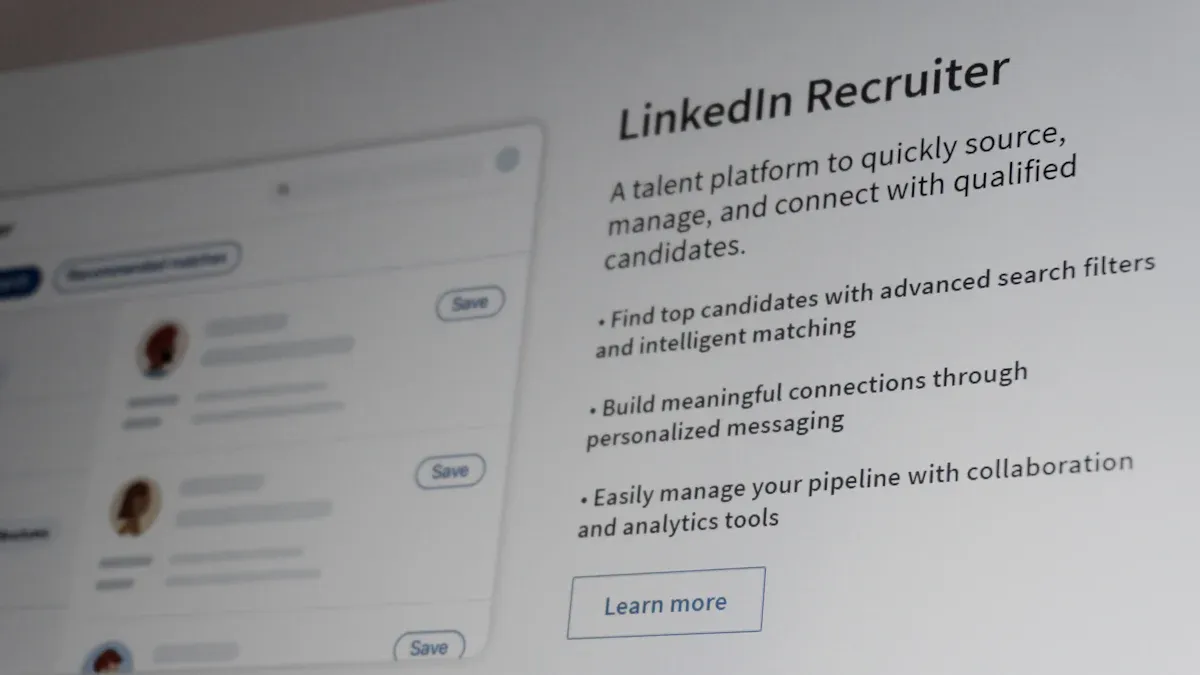
The Transformation of Human Resources
The Human Resources landscape has undergone a profound transformation. No longer confined to traditional tasks like onboarding paperwork or conflict resolution, HR now stands at the crossroads of human capital, advanced technology, and organizational strategy. Technical HR, professionals who blend deep process knowledge with software expertise, particularly in applicant tracking systems (ATS) and broader HR tech stacks, have become indispensable.
Organizations embracing this shift by integrating technical talent into HR teams are realizing tangible gains: reduced administrative burdens, substantial cost savings, accelerated hiring cycles, and elevated employee experiences.
In an era where recruitment software powers everything from candidate sourcing to compliance reporting, ignoring technical HR means leaving value on the table.
Why Technical Expertise Matters in Modern HR Tech
This evolution stems from the explosive growth of HR technology. Applicant tracking systems, once basic resume databases, now incorporate AI-driven parsing, predictive analytics, and seamless integrations with HRIS platforms. Yet many teams struggle because generalist HR practitioners lack the technical acumen to optimize these tools.
A technical HR professional, someone comfortable with APIs, data flows, and system architecture, translates business needs into configurable solutions. They ensure the ATS doesn't just collect applications but actively enhances recruitment outcomes.
The results speak for themselves: companies with strong technical HR capabilities report up to 30% faster time-to-hire, 73% fewer reporting errors, and overall HR cost reductions of 10-15% annually.
Common Challenges Without Technical HR

Consider the core challenges without technical expertise.
Poor ATS configuration: This leads to parsing failures, where qualified resumes get overlooked due to formatting issues or mismatched keywords.
Integrations falter: Candidate data doesn't flow smoothly to payroll or performance systems, creating manual rework and errors.
Compliance risks: These chanllenges rise when security protocols like encryption aren't properly implemented. Recruiters waste hours on repetitive tasks that automation could handle.
In contrast, technical HR pros diagnose these issues quickly, customize workflows, and build bridges to IT for enterprise-wide connectivity.
The ROI Case for Technical HR in ATS and Recruitment Software
The ROI case for technical HR in ATS and recruitment software is compelling.
Integrated systems enable automation of routine screening, reducing administrative time by 40% and allowing focus on high-value candidate engagement. One benchmark shows cost-per-hire dropping by an average of $2,342 through efficient ATS use.
Predictive features help forecast hiring needs, cutting urgency-driven premium placements. Organizations leveraging technical oversight in their ATS see 29% higher employee productivity from streamlined onboarding and 26% gains in operational efficiency overall.
Related: How to Effectively Measure the ROI of HR Software
Real-World Examples of Impact

Team Onboarding and Training
MokaHR's case studies vividly demonstrate technical HR in practice.
In one instance, a unicorn enterprise in Asia integrated MokaHR's ATS with their existing HRIS platform through API customizations handled by a technical specialist. This automation streamlined candidate-to-employee data flows, eliminating manual entry and reducing errors that previously delayed offers by days.
The result: hundreds of hours saved annually, with a 60% drop in time-to-hire from 45 to 18 days, directly boosting operational speed.
Another MokaHR example involved a tech firm facing resume parsing challenges.
By leveraging technical expertise to implement AI-enhanced features, they achieved 35% better identification of qualified applicants without expanding the team. This not only cut recruitment costs by 15% but also improved candidate experience through faster feedback loops.
A third case from a financial services company showed how technical HR optimized MokaHR for compliance-heavy integrations, ensuring encrypted data transfers and reducing audit risks, yielding 73% fewer reporting errors and 29% productivity uplift in onboarding.
These examples underscore that while initial technical investment is needed, the long-term gains in efficiency and satisfaction far outweigh costs, especially in competitive markets like Singapore.
More cases with MokaHR: Moka's best practice across 10 industries
5 Key Advantages of Technical HR in Recruitment Software
Bridges HR and IT for seamless system performance
Customizes ATS to reduce bias and improve parsing
Drives automation that frees recruiters for relationship-building
Enables data-driven decisions with accurate analytics
Future-proofs HR against emerging tech like AI sentiment tools
Looking Ahead: The Future of Technical HR
Looking ahead, technical HR will only grow more critical. As ATS evolve with machine learning for bias detection, sentiment analysis in applications, and advanced reporting via tools like Power BI, expertise in these areas becomes a strategic differentiator.
Companies that invest in technical HR—not as an afterthought but as core team members—position themselves to outperform competitors through smarter, faster, and more humane recruitment.
Benefit | Without Technical HR | With Technical HR Expertise | Measurable Impact |
ATS Parsing Accuracy | Frequent misses due to formats | Customized rules and AI tuning | 35%+ better qualified matches |
Integration Efficiency | Manual data transfers | API-driven automation | 40% admin time reduction |
Time-to-Hire | Delays from errors/workarounds | Streamlined flows | 30% faster |
Cost Savings | Higher manual labor/compliance risks | Optimized configurations | 10-15% annual HR costs down |
Reporting & Analytics | Basic, error-prone | Advanced dashboards | 73% fewer errors, 80% faster retrieval |
Practical Steps to Build Technical HR Capacity
Hire hybrids with HR process knowledge and tech skills
Upskill existing teams through targeted training
Partner with vendors offering robust integration support
Measure ROI via metrics like time-to-hire and error rates
Foster a culture valuing technical contributions strategically
Conclusion: Embracing Technical HR for Excellence
In conclusion, technical HR represents not just a trend but a fundamental requirement for excellence in modern recruitment. By embedding expertise in ATS, software integrations, and ROI-focused implementation, organizations unlock efficiency, savings, and superior experiences. Those who act now will lead the next wave of HR innovation.
FAQs
What is technical HR?
Technical HR refers to professionals who blend traditional HR expertise with technical skills, like configuring ATS, APIs, and data integrations, to optimize recruitment tools.
Why is technical expertise important in ATS and recruitment software?
It ensures accurate resume parsing, seamless integrations, and automation, reducing errors and manual work while improving hiring speed and candidate matching.
What ROI can organizations expect from technical HR?
Typically 30% faster time-to-hire, 10-15% cost savings, 40% less admin time, and up to 35% better qualified matches, based on optimized systems.
How do real examples like MokaHR show the impact?
MokaHR cases demonstrate 40-60% reductions in time-to-hire, 73% fewer errors through integrations, and 35% improved applicant identification via AI tuning.
See Also
How Malaysians Use Applicant Tracking Systems to Speed Up Hiring
Balancing Speed and Precision in Mass Hiring: How AI-Powered ATS Transforms Recruitment
How Moka HR's AI speeds hiring at a leading NEV (new energy vehicle) enterprise
How to Select a GDPR-Compliant ATS in Asia
Evaluating AI Hiring Software's Impact on Candidate Selection
From recruiting candidates to onboarding new team members, MokaHR gives your company everything you need to be great at hiring.
Subscribe for more information

© Copyright 2025 MokaHR - All Rights Reserved.