A talent acquisition (TA) lead at a tech company with offices in Singapore and Kuala Lumpur needs to hire engineers, sales reps, and operations staff in both cities this quarter. At the same time, leadership wants AI to be used throughout the hiring process.
As she explores the leading AI recruiting tools, she finds dozens of products covering sourcing, screening, assessments, interviews, and candidate communication. Many offer overlapping features, and some are little more than traditional keyword filters with a new label.
The challenge goes beyond features. Candidates speak different languages, respond through different channels, and fall under different data protection requirements in each market.
Many of the AI recruiting tool rankings we reviewed are designed for US hiring teams and overlook these regional considerations.
This guide covers:
- a quick comparison of 11 AI recruiting tools
- the four types of AI recruiting tools, and why to start with an AI ATS
- what to look for by APAC market and team type
- a closer look at each product
A note on authorship: Moka AI publishes this blog and appears on the list. Details for other vendors come from their official websites, checked in October 2026, so confirm anything that matters to you in a demo.

Contents
- Top AI recruiting tools for APAC teams at a glance
- What Are AI Recruiting Tools and How Do They Work?
- What APAC teams should look for in an AI recruiting tool?
- The 11 best AI recruiting tools for APAC teams, compared
- FAQs
1. Top AI recruiting tools for APAC teams at a glance
This table brings together some of the most widely used AI recruiting tools, including AI applicant tracking systems (ATS), talent intelligence platforms, assessment platforms, and HCM suites, to help APAC hiring teams compare their capabilities at a glance. The list is not a ranking; tools are grouped by type.
The Best for column highlights the hiring stage or use case each tool is best suited to. Section 3 explores which tools are most suitable for different types of companies.
| Tool | Best for | Standout AI | APAC fit | Pricing model |
|---|---|---|---|---|
| Ashby | Recruiting analytics and pipeline reporting | AI-Assisted Application Review, AI Notetaker, Ashby Assistant | Verify in demo | Tiered by company size, AI credits included |
| Gem | Proactive sourcing and talent rediscovery | AI Sourcing Agent, AI App Review Agent | Verify in demo | Custom, based on headcount |
| Greenhouse | Structured interviews and scorecards | Voice AI interviews scored against your rubric | Voice AI in English, Japanese, Hindi and 8 more languages | Quote-based (Core, Plus, Pro) |
| Manatal | AI candidate matching from your talent pool | AI Recommendations, AI Interviewer add-on | Local Job board integration | Published per-user plans |
| Moka AI | AI screening, interviews and candidate engagement | AI Resume Screening, AI Interview, Moka Eva Agent | Local platform integrations, and APAC compliance support | Quote-based |
| Pinpoint | Configurable screening and evaluation criteria | AI Match Score with reasoning | Verify in demo | Quote-based |
| Workable | Job posting and first-pass screening | Workable Agent for sourcing, screening and engagement | Local Job board integration | Published plans; agent uses AI credits |
| Eightfold AI | Skills-based matching and internal mobility | Talent agents, AI Interviewer | Verify in demo | Quote-based |
| Phenom | High-volume candidate engagement | Career-site chatbot, Voice Screening Agent | Recruiter messaging on WhatsApp and WeChat | Quote-based |
| TestGorilla | Pre-employment skills testing | AI interviews, 350+ skills tests | Test library in English; candidate experience in 12 languages | Published plans plus credits |
| Darwinbox | Recruiting inside a full HR suite | AI candidate matching | Candidate alerts on WhatsApp | Quote-based, by module |
TestGorilla is an assessment platform and Darwinbox is a full HCM suite. Both appear here because APAC teams often evaluate them alongside an ATS.
2. What Are AI Recruiting Tools and How Do They Work?
Before building your HR tech stack, it helps to understand the different types of AI recruiting tools available. With so many options on the market, it’s easy to feel overwhelmed.
Some tools cover multiple stages of recruitment, while others specialize in a specific task, such as candidate sourcing, or interviewing. Understanding what each type of tool does, and where its strengths lie, will help you compare vendors and choose the right solutions for your hiring needs.
2.1 Four types of AI recruiting tools
An AI recruiting tool uses machine learning or large language models to do specific hiring work for your team, such as sourcing, screening, assessing, interviewing or messaging candidates, rather than only storing records. Most products fall into four groups. These groups describe what the AI does, so one product can cover several of them.
| Type | What the AI does | Examples in this guide |
|---|---|---|
| AI Applicant Tracking System | Manages the pipeline with AI support across the hiring workflow, from job posting and screening to interviews and recruiting analytics. | Pinpoint, Greenhouse,Workable,Moka AI, Ashby |
| AI interview and assessment | Runs structured questions and skills tests, then scores and summarizes them | TestGorilla |
| AI sourcing | Automates candidate discovery, matches profiles to job requirements, and streamlines outreach to passive talent. | Gem |
| Conversational AI | Answers candidate questions, screens and books interviews in chat | Phenom |
| AI Talent Intelligence Platform | Uses AI to match candidates based on skills, identify qualified talent, and uncover relevant candidates within internal and external talent pools. | Eightfold AI |
2.2 AI-native ATS or point tools? How they fit together
An AI-native ATS is built around AI from the start, so screening, interviews and candidate messaging work from the same candidate record. Many established ATS platforms have added AI features too. Either way, check in the demo whether AI scores, interview notes and chat replies are saved to the candidate record or sit in a separate module.
Point tools, such as an assessment platform, go deeper on a single stage. The trade-off is that each extra tool adds another copy of candidate data to keep in sync. A practical approach for most teams: choose one AI ATS as the core, then add point tools only where a stage is a clear bottleneck.
3. What APAC teams should look for in an AI recruiting tool?
The same tool can work well for a 300-person fintech team in Singapore and poorly for a retail chain hiring across Indonesia. So start with the factors and the order in which to check them, then find the scenario closest to your team.
| Factor | What to check | Ask in the demo |
|---|---|---|
| 1. Hiring needs and challenges | Your biggest hiring bottleneck, and which product solves it best | “Which hiring problem do you solve most often? Can I see a similar customer?” |
| 2. AI usability and effectiveness | Fast setup; recommendations with reasons; agreement rate with recruiter decisions | “Can you run our actual job description and resumes through your AI screening?” “Can you demonstrate how your AI chatbot interacts with candidates?” |
| 3. Local market fit | Native links to local job boards, chat channels and workplace tools, all writing to one record | “Can we post to JobStreet? Where do WhatsApp replies and Lark approvals land?” |
| 4. Data residency and AI governance | Hosting location, retention by market, human review, audit trail, compliance documents | “Where does a person review before rejection? Which compliance documents can you share?” |
| 5. Pricing model | AI included or sold separately; cost when volume rises; implementation and support fees | “Are AI screening and interviews included? What happens to the bill if applications double?” |
Does it solve your problem?
Choosing an AI ATS is not a feature-list contest. Start from the bottleneck that hurts most, such as too many applications, a process split across countries or candidates who drop out, and find the product that handles it best. Then prove it with your own jobs and resumes, because a polished demo dataset tells you little about your candidates.
Will it work in your markets?
A capable product still adds work if it cannot connect to your local job boards, your candidates’ chat apps and your hiring managers’ workplace tools, because recruiters end up copying data between systems. Ask to see each integration running in the demo, not just listed on a slide.
Does It Meet APAC Data Compliance and AI Governance Requirements?
Do not skip this step. Data compliance and AI governance work as a pass or fail check: if a product cannot meet the data rules in the markets where you hire, it is out, however well it does on the other factors. Check data compliance first, then what each market expects when AI is used in hiring.
We have compiled relevant official regulations and guidelines across APAC markets for reference. Always consult the relevant authorities for the latest and most authoritative requirements.
Data compliance
Singapore. The Personal Data Protection Act (PDPA) governs candidate data. Applying for a job generally implies deemed consent to use personal data to assess the application, but using it for future vacancies typically requires notice and consent unless an exception applies (Advisory Guidelines, paragraph 6.2). Unsuccessful applicants’ data should not be kept longer than necessary. Employers must also meet applicable requirements for data security, access, overseas transfers, breach notification, and appointing a data protection officer.
Malaysia. The Personal Data Protection Act 2010, amended in 2024, introduced additional obligations in 2025. Organisations meeting specified thresholds must appoint a data protection officer, and data breaches are subject to notification requirements (DPO guidelines; breach notification guidelines). Cross-border transfers must meet applicable legal conditions (guidelines). Candidate privacy notices must be provided in both Bahasa Malaysia and English.
Indonesia. The Personal Data Protection Law (Law No. 27 of 2022) requires impact assessments for high-risk processing, including certain automated decisions with significant effects (Article 34). Data breaches must be reported to affected individuals and the authority within 3 × 24 hours (Article 46). A data protection officer is required in specified cases, including large-scale, systematic monitoring (Article 53). Cross-border transfers must meet the safeguards set out in Article 56. Check current implementation requirements with local counsel.
Hong Kong. The Personal Data (Privacy) Ordinance and the PCPD’s Code of Practice on Human Resource Management govern candidate data handling. Job advertisements should explain why personal data is collected. Employers should generally wait until an offer is accepted before requesting a copy of a candidate’s Hong Kong identity card. Unsuccessful applicants’ data may generally be retained for up to two years after rejection, after which it should be destroyed. Candidates can also request access to and correction of their data. Configure retention rules by market and collect ID copies only at the appropriate stage.
AI governance
Singapore. Singapore’s PDPC addresses this directly in its Advisory Guidelines on Use of Personal Data in AI Recommendation and Decision Systems (March 2024). Three points matter for hiring teams:
- The guidelines list “Internal HR systems used to recommend potential job candidates” as an example where the Business Improvement Exception may be relevant when an organisation uses personal data to develop or improve an AI system (paragraph 5.4). The exception has conditions (paragraph 5.2), so treat it as a question for your legal team, not a blanket exemption from consent.
- Organisations are encouraged to tell people about “the function of their product that requires collection and processing of personal data” (paragraph 9.5). In practice, your candidate's privacy notice should say which hiring steps use AI and what data it uses.
- The guidelines state that “organisations bear the primary responsibility for ensuring that the AI System they have chosen to use can meet their obligations under the PDPA” (paragraph 11.8). You cannot hand compliance to the vendor, so request its documentation during procurement.
Malaysia. Malaysia’s National Guidelines on AI Governance and Ethics (AIGE), published in September 2024, provide voluntary principles for responsible AI, including fairness, transparency, accountability, privacy and data security, and reliability, safety and control. For hiring, use them to guide internal AI policies, bias testing, and candidate disclosure. The PDPA still applies when AI systems process candidate data. In April 2026, the Personal Data Protection Commissioner also issued its Automated Decision-Making and Profiling Guideline, which covers automated decisions that significantly affect people and gives employment opportunities as an example. It expects people to be told when automated decision-making is used and advises against relying on AI as the sole basis for decisions about them.
Indonesia. The Personal Data Protection Law gives individuals the right to object to certain decisions based solely on automated processing that have legal or significant effects (Article 10), and requires impact assessments for high-risk processing (Article 34). Indonesia’s 2023 AI Ethics Circular also promotes transparency, accountability, inclusivity, and personal data protection. For hiring, assess AI-related risks and retain appropriate human oversight, especially for rejection decisions.
Hong Kong. Hong Kong’s privacy regulator takes a similar line. In a column on its Artificial Intelligence: Model Personal Data Protection Framework, the PCPD explains that the framework takes a risk-based approach to AI governance, covering AI strategy and governance, risk assessment and human oversight, management of AI systems, and communication with stakeholders. For hiring, assess AI screening and interview tools before adoption, set privacy and security requirements for vendors, and explain AI use to candidates.
Rules differ in each market, so confirm local requirements with your legal team. Whatever the market, ask every vendor on your shortlist to state in writing whether a person reviews each AI recommendation and whether customer data trains its models. This is general information, not legal advice.
What will it really cost?
Compare price only after the first three checks pass, and compare like for like: whether AI is in the subscription, what usage-based billing costs in your busiest month and what implementation adds. Filtering on price first often leads to a plan where the AI modules cost extra and the total ends up higher.
3.1 Fast-growing companies hiring in several countries
Who this is: Any company hiring in more than one APAC market. That includes global companies building out an APAC team, regional groups that run hiring from Singapore or Hong Kong, and local firms opening their first offices abroad. Hiring usually spans several legal entities and languages, and in many of these markets candidates would rather talk on WhatsApp.
Potential challenges:
- Disconnected hiring systems. When each country uses its own ATS or spreadsheet, HQ cannot see the full funnel. The same candidate can sit in several countries’ pipelines at once, and regional reports take days of manual merging.
- Inconsistent processes and standards. Interview rounds, scorecards and approval paths vary by office. Moving a candidate between countries, or comparing two finalists from different markets, becomes guesswork.
- Different ways to reach candidates. Each market has its own job boards and chat habits. Recruiters juggle several tools, replies slow down and candidates who hear nothing for days move on.
What to prioritize in an AI recruiting tool:
First, choose a platform that supports hiring across multiple markets, with workflows configurable by country and access permissions set by region to accommodate local regulatory requirements. It should also provide unified views and reports, allowing HQ to track recruitment performance across markets while meeting each region’s operational needs.
Next, ensure that all AI features comply with applicable AI governance requirements, with a focus on traceability, auditability, and explainability. Hiring teams should be able to trace AI-generated outputs, audit how AI is used in recruitment workflows, and understand the reasoning behind recommendations and assessments, with appropriate human oversight for consequential decisions.
Finally, prioritize native integrations with local job boards, WhatsApp, and workplace tools such as Lark. In the demo, follow one candidate from a JobStreet application to a WhatsApp interview booking and a Lark approval, and check that every step lands in the same record.
Start your shortlist with: Moka AI, which Traveloka uses to run hiring across nine APAC markets; Darwinbox if you want recruiting inside one HCM suite, after testing how deep its AI screening and WhatsApp support go; and Workable if posting reach on JobStreet and JobsDB matters most, after testing its multi-country permissions.
3.2 Tech companies hiring specialized talent
Who this is: Tech companies such as SaaS, fintech, digital asset and AI businesses, from scale-ups to established players, that compete for engineering, product and data talent.
Potential challenges:
- Scarce talent is hard to spot. Few applicants meet the bar, and keyword filters can miss people whose background looks different but whose skills match. Recruiters then spend hours re-reading rejected resumes, or the right person never gets a call.
- Interviews across offices are slow and uneven. Interviewers sit in different cities and time zones, so feedback arrives late and each office scores against its own idea of a strong hire. Good candidates accept other offers first.
- Hiring quality needs proof. Leadership wants to see how fast the team hires and where good candidates drop out, and the team lacks funnel data it can trust.
What to prioritize in an AI recruiting tool: Beyond compliance, focus on AI usability and its impact on hiring quality. Can AI screening understand recruiters’ needs and identify suitable candidates beyond keyword matching? Can AI interviews and structured scorecards improve assessment consistency across offices? Ultimately, evaluate whether the product improves hiring outcomes for critical roles.
In the demo, ask the vendor to explain why AI recommends a particular candidate for a role you know well and what evidence supports that recommendation.
Start your shortlist with: Ashby, Pinpoint and Moka AI for AI recommendations that explain their reasoning, and Greenhouse if structured interviews and scorecards are the priority.
3.3 Retail, F&B and logistics employers hiring at volume
Who this is: Retail, F&B and logistics employers in markets such as Indonesia and Malaysia, with many store and warehouse roles and sharp seasonal peaks.
Potential challenges:
- Large, sudden spikes in applications. Before holidays and new store openings, applications surge far beyond what recruiters can screen by hand. Roles stay open through the busiest weeks, and stores run short-staffed.
- Candidates drop out. Applicants use their phones and WhatsApp, skip long forms and rarely check email. A reply that takes two days often arrives after they have accepted another job.
- Store managers lack time for interviews. Booking, rescheduling and no-shows eat into hours they need on the shop floor. The same person may also apply to several stores, and each store screens them again from scratch.
What to prioritize in an AI recruiting tool: Start with conversational AI on WhatsApp that handles screening questions and lets candidates book their own interviews in the chat. Then high-volume AI screening with rules you can set by store or role, and a shared talent pool so one store’s applicants can be offered to another. Check how usage-based pricing behaves in your peak month before you sign. In the demo, apply to one of your roles from your own phone over WhatsApp and time how long it takes to book an interview.
Start your shortlist with: Moka AI for its WhatsApp Agent; Phenom, whose chatbot screens candidates and books interviews on your career site and whose recruiters can message candidates on WhatsApp; and Manatal if budget is tight, since its AI Interviewer can run many video interviews at once. Ask Manatal how it handles WhatsApp outreach.

3.4 Banks, insurers and other regulated enterprises
Who this is: Banks, insurers, digital asset firms and the APAC headquarters of multinationals, often based in hubs such as Singapore and Hong Kong, that already run Workday, SAP or another HCM as their system of record.
Potential challenges:
- AI decisions must stand up to review. Internal audit and regulators may ask why the AI recommended or rejected a candidate. Without recorded reasons and a named reviewer, the team cannot answer, and the AI project stalls.
- The global HCM’s recruiting module does not fit APAC. Local job boards, chat channels and languages are thin, so recruiters work around the system, yet every hire still has to sync back to the global record.
- Data boundaries between entities. Cross-border transfers and access rights follow each market’s rules, so recruiters in one subsidiary should not see every candidate in another.
What to prioritize in an AI ATS: For regulated enterprises, regional compliance should come first. Choose a system with explainable AI, human review, and audit trails to support compliance with applicable data protection requirements. As Singapore’s Personal Data Protection Commission (PDPC) emphasizes, organisations remain primarily responsible for meeting their PDPA obligations, even when they use AI systems.
Next, verify that the ATS integrates reliably with your existing human capital management (HCM) system. Some organisations retain their HCM’s recruiting module and add AI capabilities rather than implementing a standalone ATS.
Also assess regional data hosting, role- and region-based access controls, and whether the vendor can provide relevant certifications and AI usage documentation.
During the vendor demo, ask to see the audit trail for a single AI recommendation, including the candidate’s score, the reasons behind it, and who reviewed and approved the outcome.
Start your shortlist with: Moka AI if you need candidate data hosted in Singapore with access set by region and role; Greenhouse for rubric-based AI interviews where the AI never rejects or advances a candidate; and Eightfold AI or Phenom if you plan to keep your HCM’s recruiting module and add an AI layer on top. Ask each one to show its HCM connector and the audit trail for one AI recommendation.
4. The 11 best AI recruiting tools for APAC teams, compared
4.1 Ashby
Website: ashbyhq.com
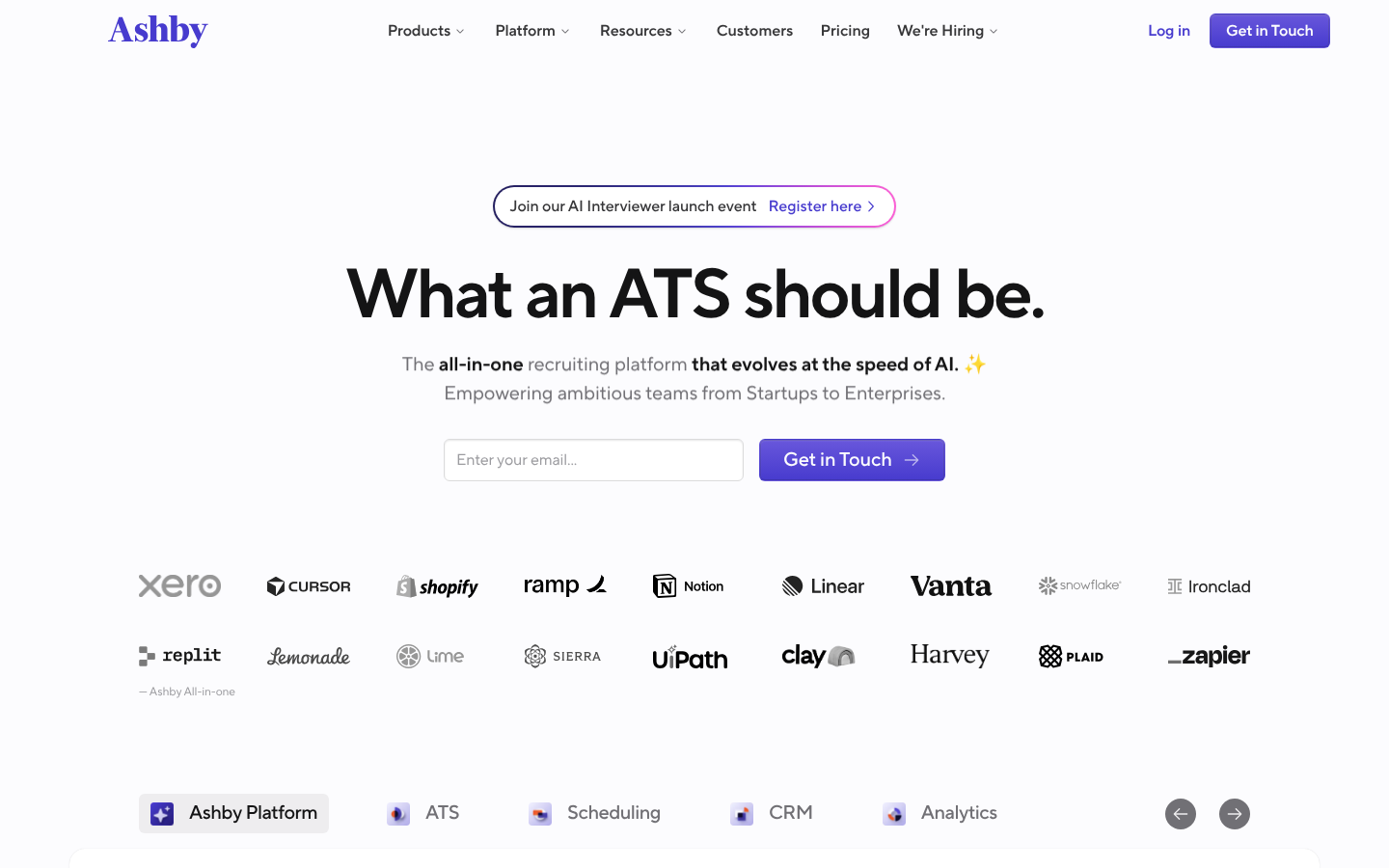
Best for: Recruiting analytics and pipeline reporting.
Key strength: Ashby brings ATS, CRM and sourcing, scheduling and analytics into one platform, so reports draw on the whole pipeline. AI-Assisted Application Review surfaces applicants who match the criteria you set and cites the evidence for each match, and AI Notetaker records and summarizes interviews.
What to check for APAC: Ashby publishes no APAC-specific information. Ask about connections to JobStreet, JobsDB, WhatsApp and Lark, support hours in your time zone and whether data can be hosted in the region.
Data compliance and AI governance: Ashby says its AI never ranks applicants and that it does not train models on customer data. It is SOC 2 Type 2 audited. Hosting region: not stated publicly.
Pricing model: Tiered by company size, with a monthly or per-seat AI credit allowance on each plan; AI Notetaker costs extra.
4.2 Gem
Website: gem.com
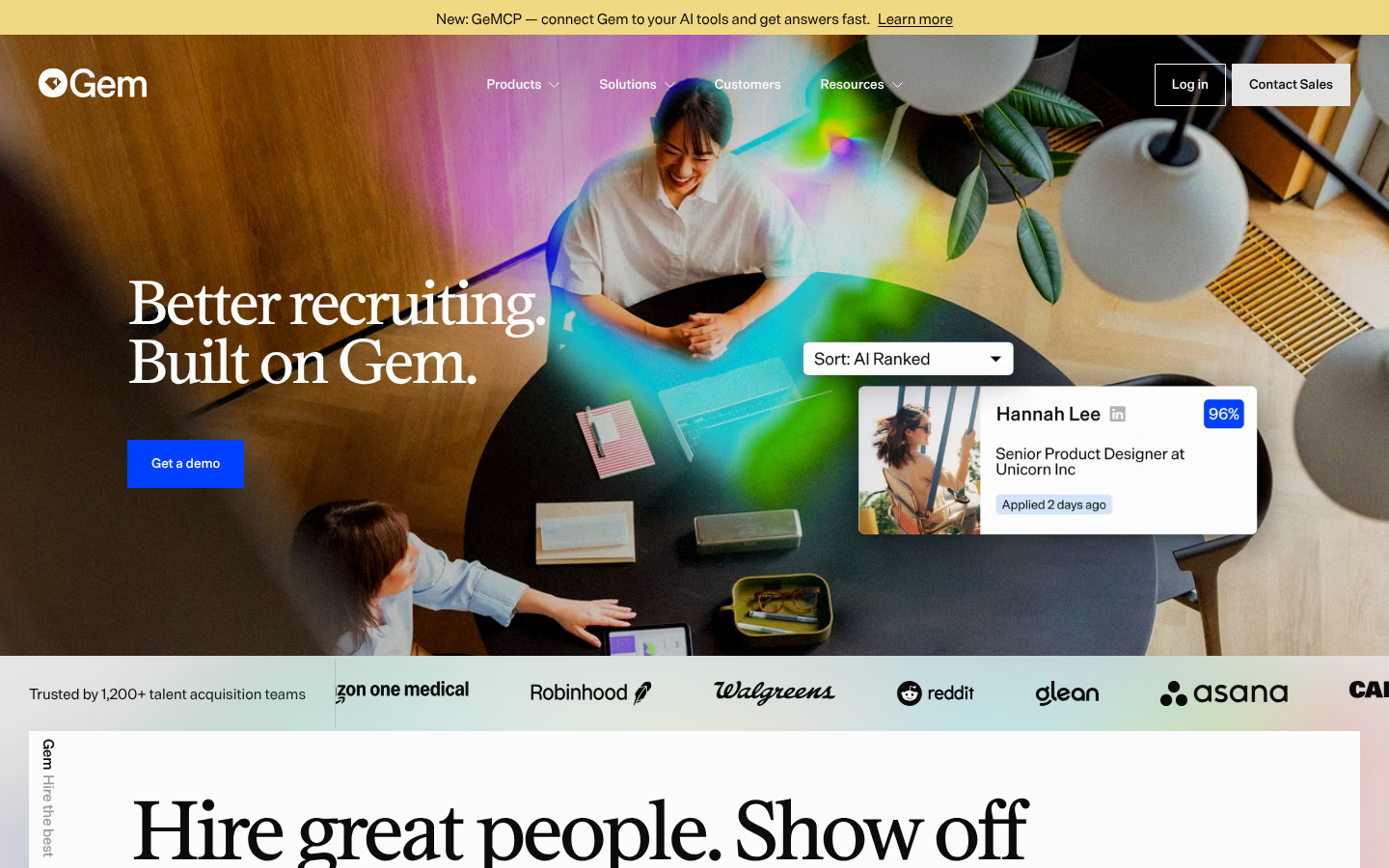
Best for: Proactive sourcing and talent rediscovery.
Key strength: Gem’s AI Sourcing Agent finds candidates, Talent Rediscovery resurfaces past candidates and the AI App Review Agent ranks applicants against your criteria. It runs as your ATS or on top of an existing one, and GeMCP connects it to AI assistants such as Claude and ChatGPT.
What to check for APAC: How well its candidate data covers your APAC markets, whether it connects to local job boards and WhatsApp, and whether data can be hosted in the region.
Data compliance and AI governance: Gem states that its AI does not make hiring decisions and that its AI is bias-audited by a third party, BABL, every year. Hosting region: not stated publicly.
Pricing model: Custom, based on company headcount.
4.3 Greenhouse
Website: greenhouse.com
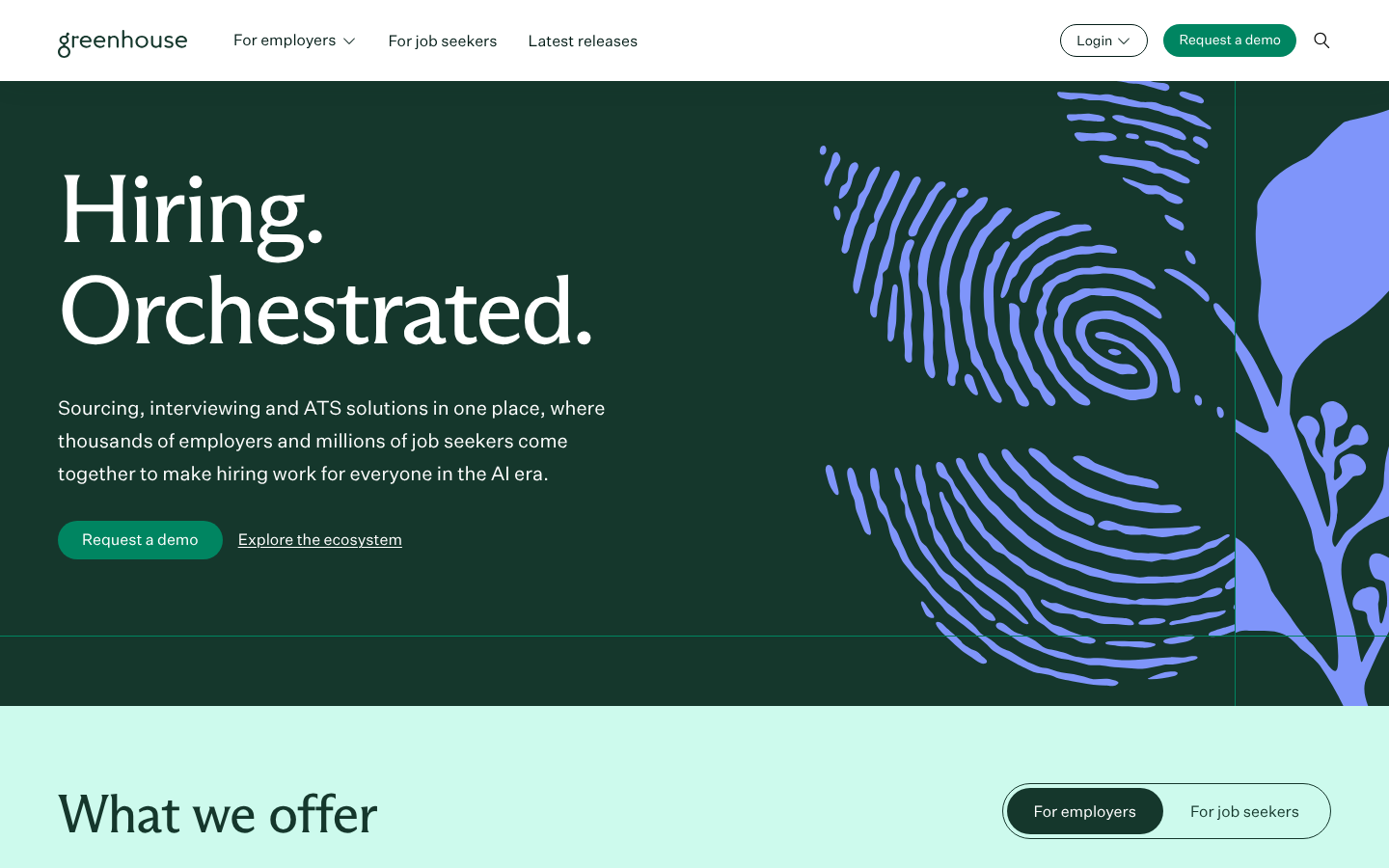
Best for: Structured interviews and scorecards.
Key strength: Voice AI runs two-way first-round voice interviews scored against your rubric, in 11 languages including English, Japanese and Hindi. Notetaker records and summarizes interviews, and sourcing, interviewing and the ATS sit in one platform.
What to check for APAC: Voice AI coverage for Southeast Asian languages, whether WhatsApp and Lark connect natively or through partners, and whether data can be hosted in the region.
Data compliance and AI governance: Greenhouse states that Voice AI never rejects or advances a candidate. It is certified for ISO 27001, ISO 27701 and ISO 42001, the standard for AI management systems. Hosting region: not stated publicly.
Pricing model: Quote-based, with Core, Plus and Pro plans. Voice AI is a separate subscription.
4.4 Moka AI
Website: mokahr.io
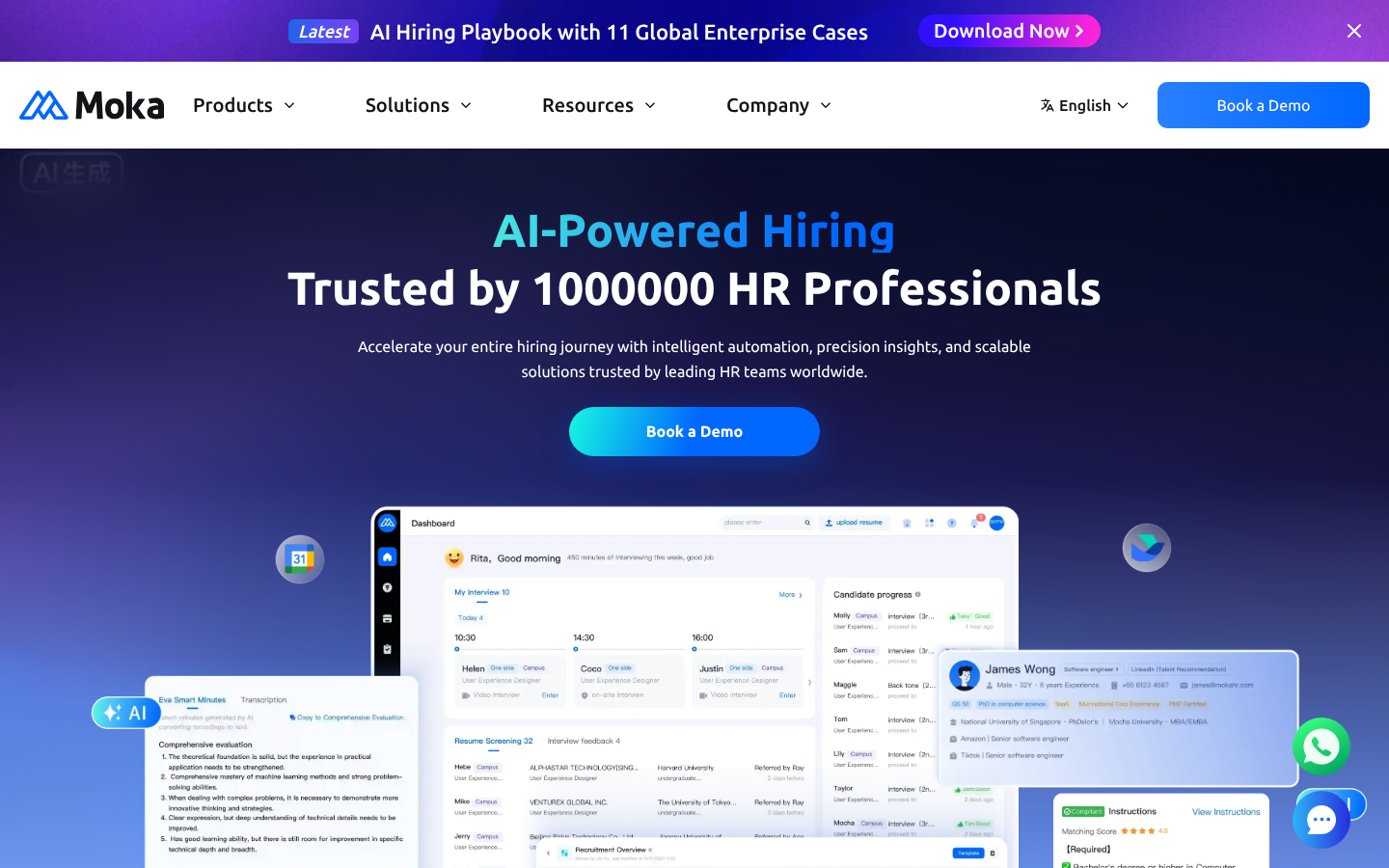
Best for: AI screening, AI interviews and WhatsApp engagement.
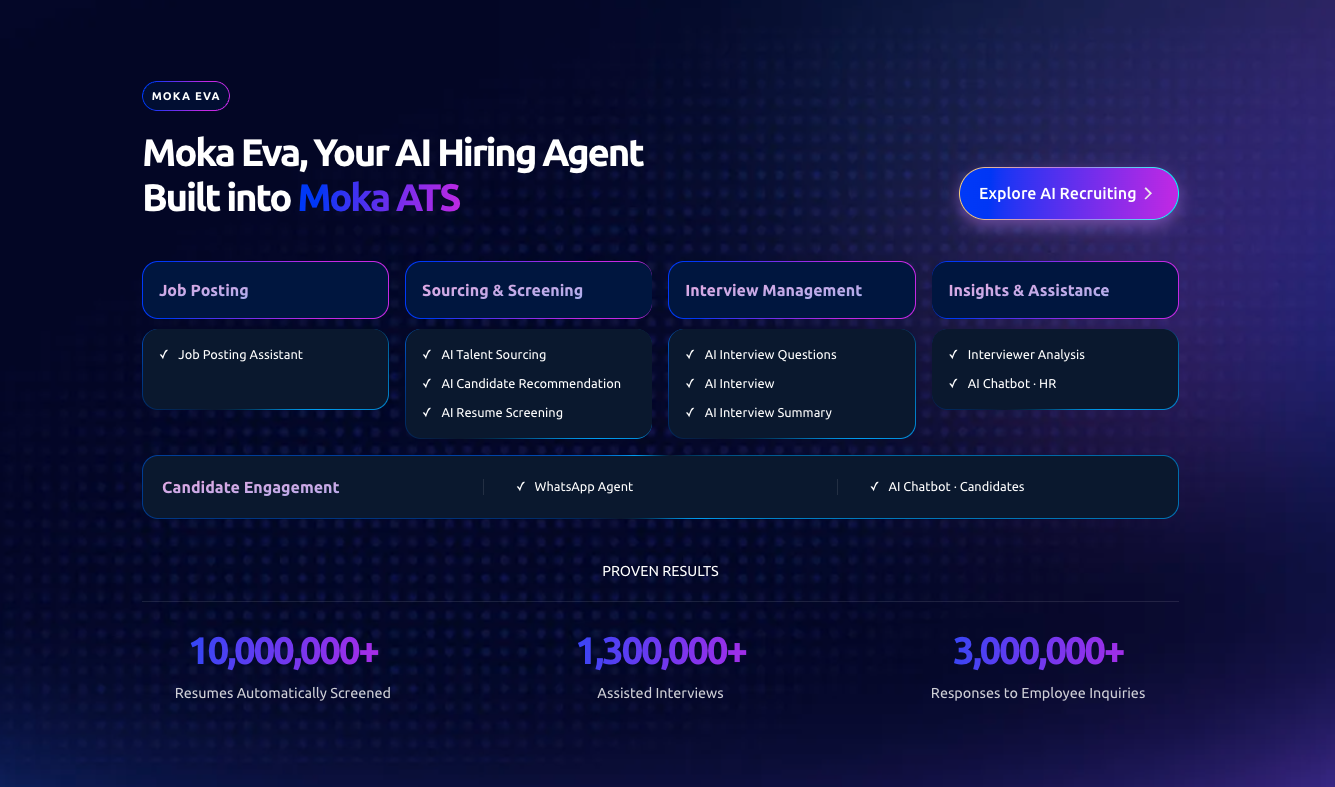
Key Strength: Built for enterprise hiring across APAC, Moka AI combines regional market understanding with integrations for local hiring ecosystems. It connects with major job platforms such as LinkedIn, SEEK, Indeed and JobStreet, supports local languages including Malay, and streamlines candidate engagement through its WhatsApp Agent. Moka Eva, Moka AI’s AI recruiting agent, supports recruiters across the hiring process, from candidate screening and engagement to interview coordination.
What to check for APAC: How it connects to your HRIS or eHR, which languages AI Interview covers in your markets and the data residency settings for each market.
Data compliance and AI governance: Candidate data is hosted on servers in Singapore, with access controlled by region and user role. This provides a defined data-hosting arrangement for organisations assessing regional data protection requirements. The platform holds SOC 2, ISO/IEC 27001 and ISO/IEC 27701 certifications.
Pricing model: Quote-based. Request a demo for pricing in your markets.
4.5 Manatal
Website: manatal.com
Best for: AI candidate matching from your talent pool.
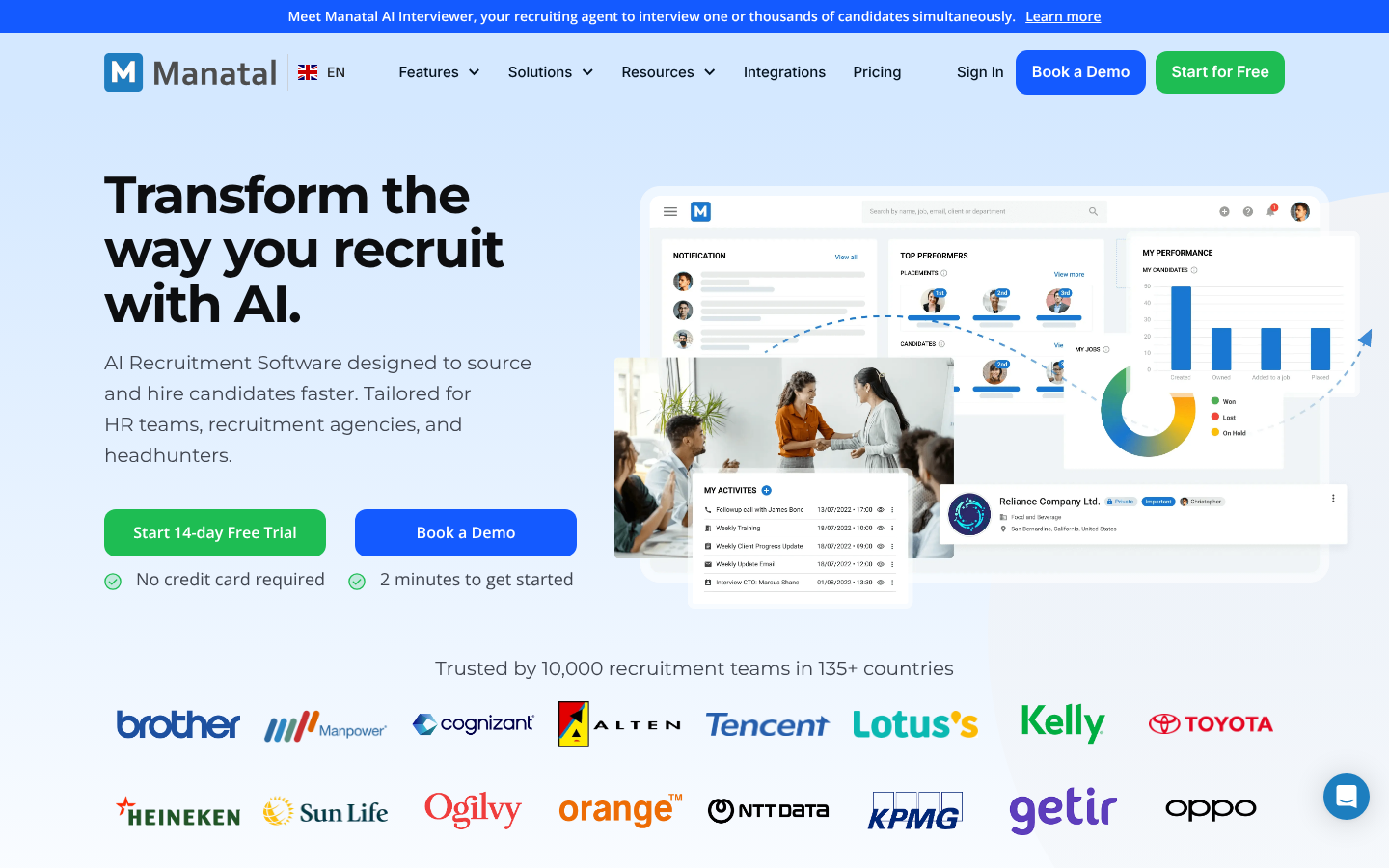
Key strength: AI Recommendations surface strong matches from your talent pool, AI scoring ranks candidates, and an AI Interviewer runs video interviews with many candidates at once. Manatal lists JobStreet and JobsDB among its job boards.
What to check for APAC: Permissions and workflow depth for teams hiring in several countries, and whether US data storage works for the markets you hire in.
Data compliance and AI governance: Manatal’s security page states that all customer data is stored in the US.
Pricing model: Published per-user plans with a 14-day free trial; AI Interviewer is an add-on.
4.6 Pinpoint
Website: pinpointhq.com
Best for: Configurable screening and evaluation criteria.
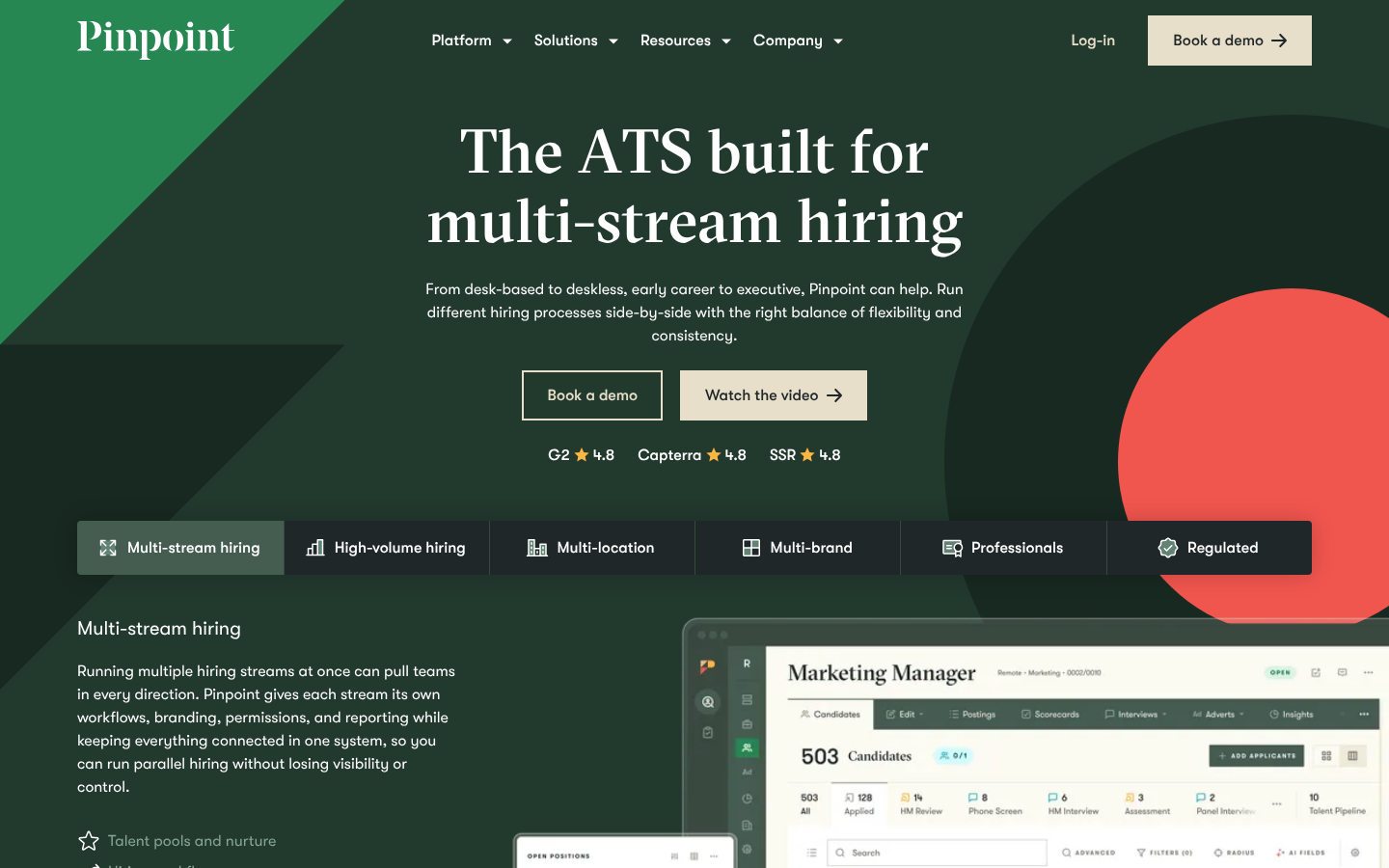
Key strength: AI Match Score scores candidates against the criteria you set and shows the reasoning, AI Criteria Checklist turns job requirements into scored checks, and AI Notetaker summarizes interviews. Pinpoint is built for organisations hiring across multiple teams, regions and role types.
What to check for APAC: Pinpoint publishes no APAC-specific information. Ask about local languages, job boards and chat channels, in-region support, and whether hosting in Europe meets the data rules in your markets.
Data compliance and AI governance: Pinpoint says every AI feature is opt-in, a person is required at every decision point and customer data does not train its models. It holds ISO 42001 certification. Data is hosted in Amsterdam, Dublin and London.
Pricing model: Quote-based, tailored to company size.
4.7 Workable
Website: workable.com
Best for: Job posting and first-pass screening.
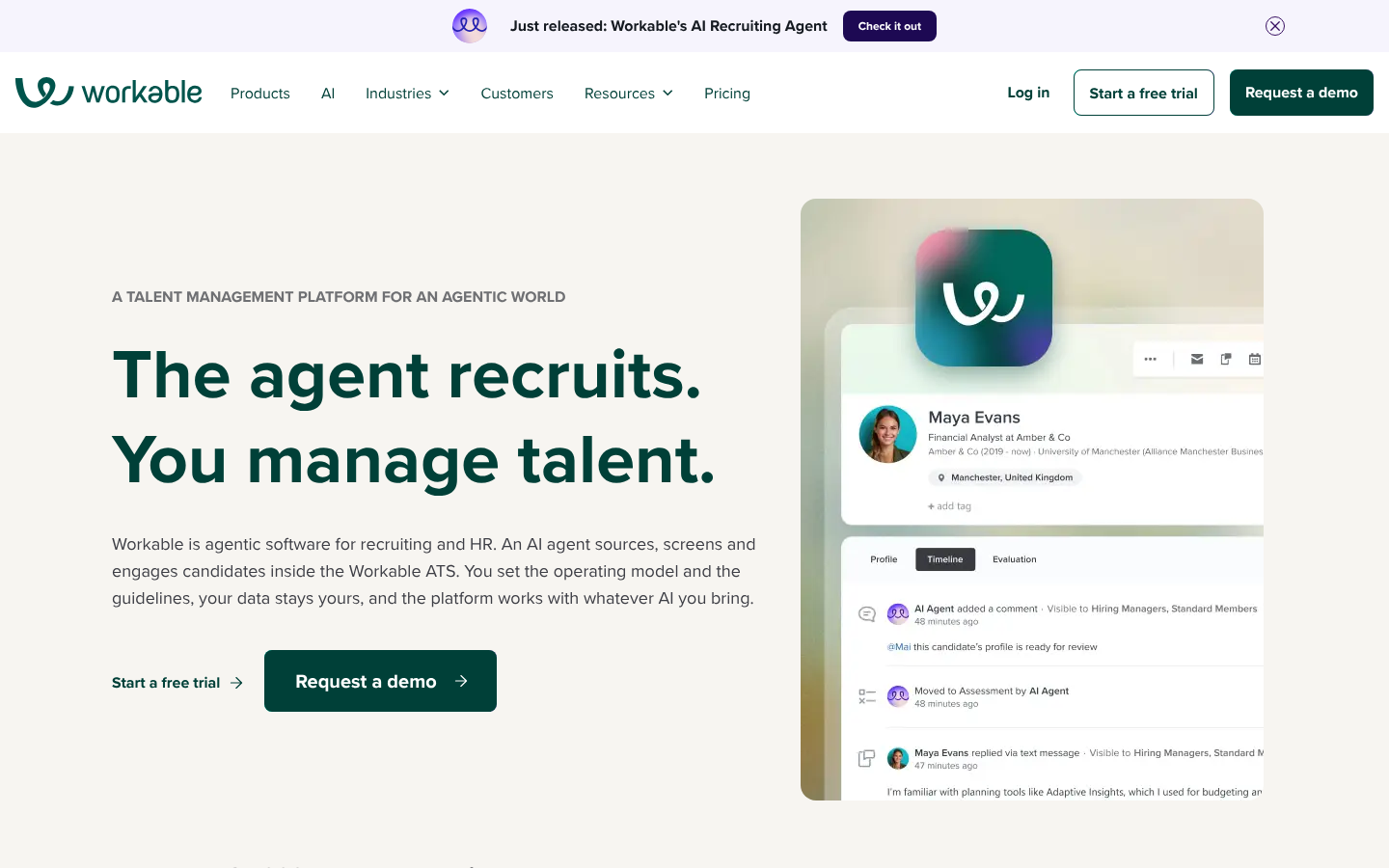
Key strength: Workable Agent sources, screens and engages candidates inside the Workable ATS, scoring each one with written reasoning, while you set the goals and rules. Workable posts jobs directly to JobStreet, JobsDB and SEEK, covering markets including Singapore, Malaysia, Hong Kong and Indonesia.
What to check for APAC: Permissions and workflow depth for teams hiring in several countries, whether candidates can be reached on WhatsApp, and whether data can be hosted in the region.
Data compliance and AI governance: Workable holds ISO 27001 and SOC 2 Type II, and says it uses customer data to improve its in-house AI. Hosting region: not stated publicly.
Pricing model: Published plans; the agent’s sourcing, screening and engagement run on AI credits.
4.8 Eightfold AI
Website: eightfold.ai
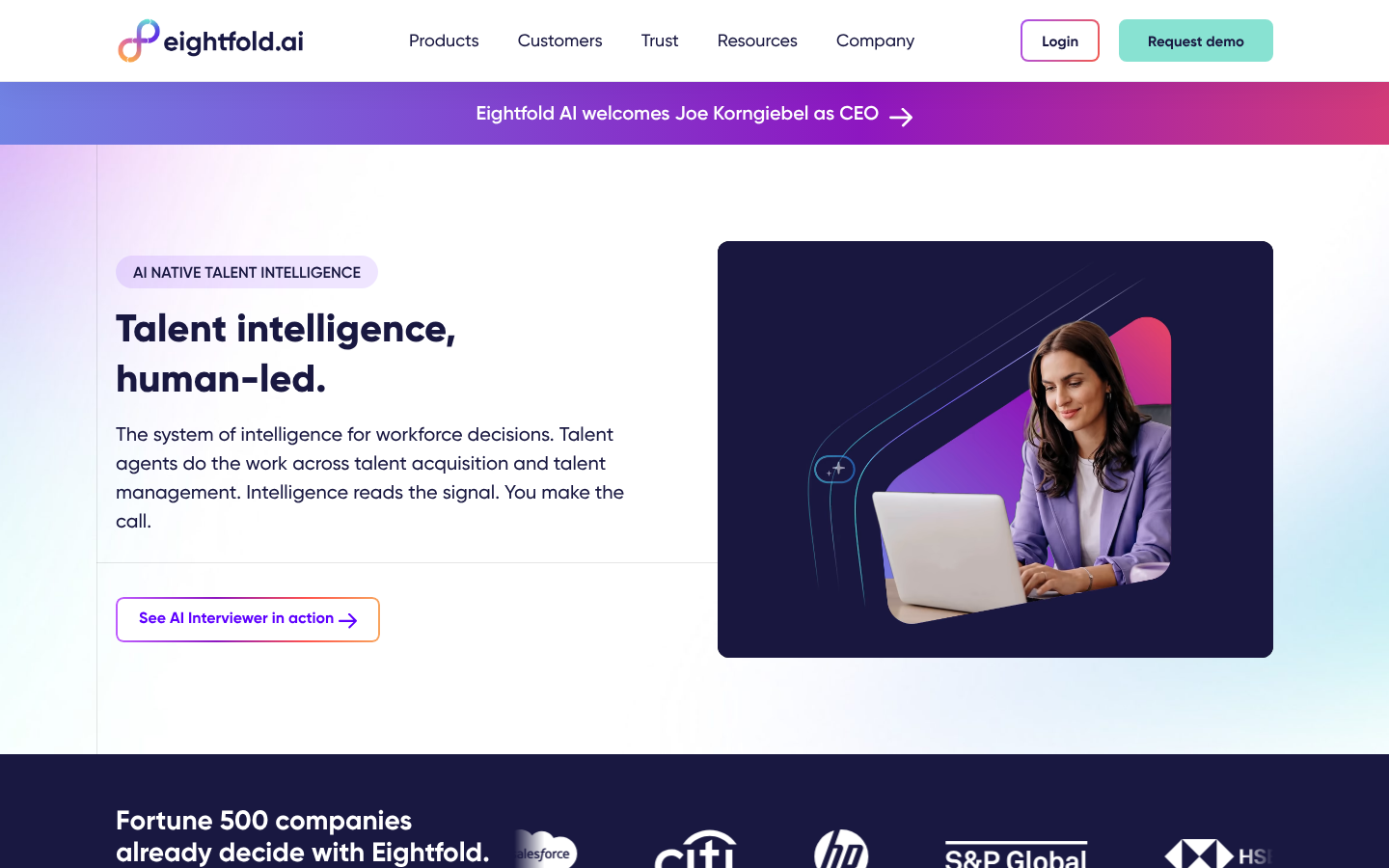
Best for: Skills-based matching and internal mobility.
Key strength: Talent agents take on work across talent acquisition and talent management, drawing on what Eightfold calls 1.6 billion career trajectories. An AI Interviewer runs interviews, and a talent marketplace shows employees internal jobs, projects and gigs.
What to check for APAC: Which Asia data storage regions are available, how well its matching covers your local job titles and languages, and how it divides work with the HCM you run in each country.
Data compliance and AI governance: Eightfold says people make hiring decisions and that it does not use identifiable customer data to train its models, and it publishes independent bias-audit results. It holds ISO 42001, ISO 27001 and SOC 2 Type II, and customers choose the region where their data is stored.
Pricing model: Quote-based; AI Interviewer is priced separately.
4.9 Phenom
Website: phenom.com
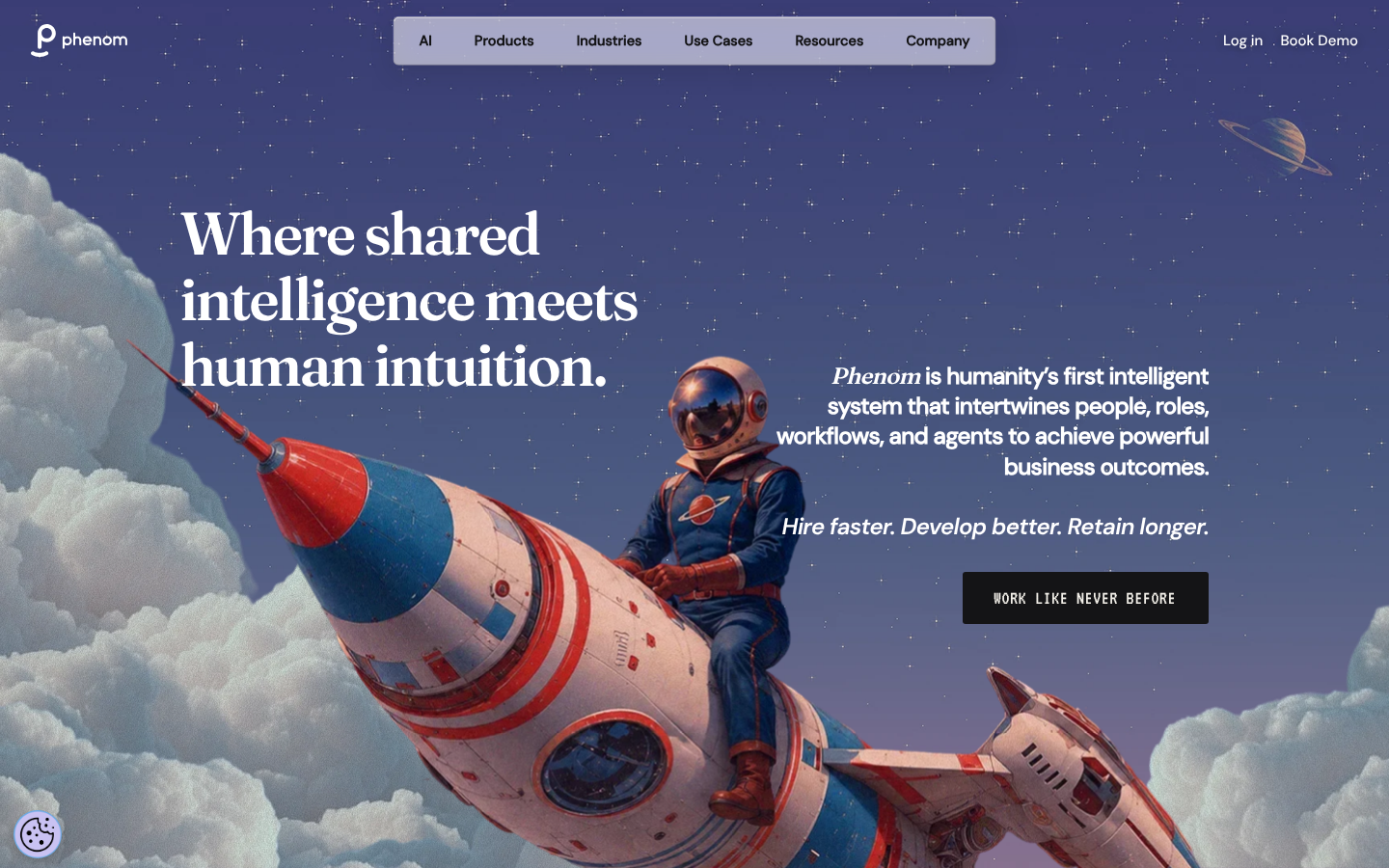
Best for: High-volume candidate engagement.
Key strength: Phenom’s chatbot answers candidate questions on the career site, screens them and books interviews before the chat ends. A set of agents, including a Voice Screening Agent and a Candidate Fraud Detection Agent, handles more of the high-volume workload, and an AI Interviewer runs first-round interviews. Recruiters can message candidates on WhatsApp and WeChat, with automatic translation.
What to check for APAC: Whether the chatbot itself can run on WhatsApp, local language coverage beyond translation, and whether data can be hosted in the region.
Data compliance and AI governance: Phenom’s security page shows ISO 27001 and ISO 27701 badges. Hosting region: not stated publicly.
Pricing model: Quote-based.
4.10 TestGorilla
Website: testgorilla.com
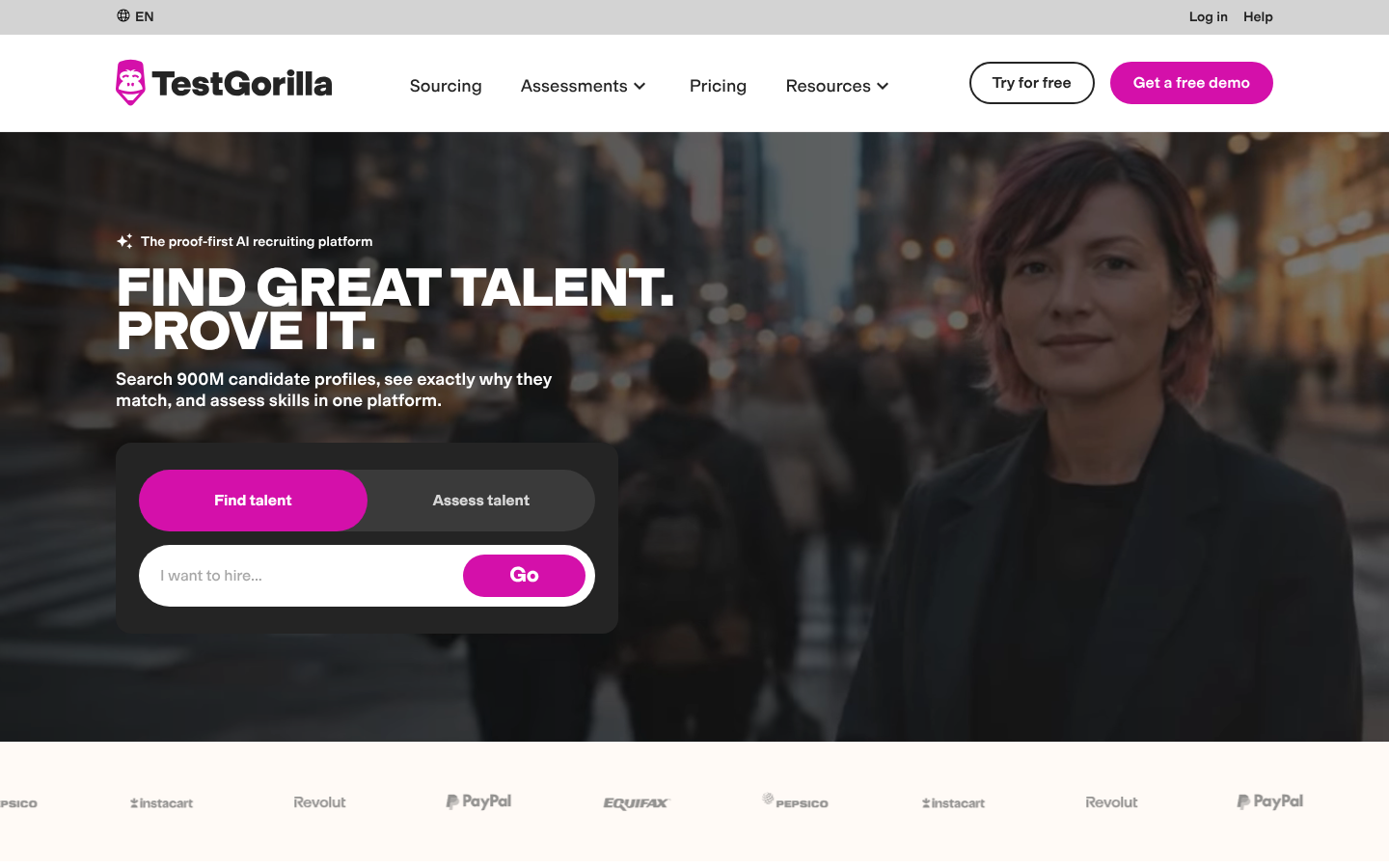
Best for: Pre-employment skills testing.
Key strength: TestGorilla offers a library of 350+ skills tests and AI interviews that ask follow-up questions in real time. The full test library is in English, the candidate experience is available in 12 languages including Japanese, and native integrations include Greenhouse and Workable.
What to check for APAC: Test coverage for the roles you hire for in APAC, and whether candidates in Indonesia or Malaysia can take tests in their own language.
Data compliance and AI governance: TestGorilla says its AI never makes decisions for you and is never trained on customer data. It shows SOC 2 compliance and is hosted on AWS servers in Ireland.
Pricing model: Published plans plus credits; full AI interviews are in the top plan.
4.11 Darwinbox
Website: darwinbox.com
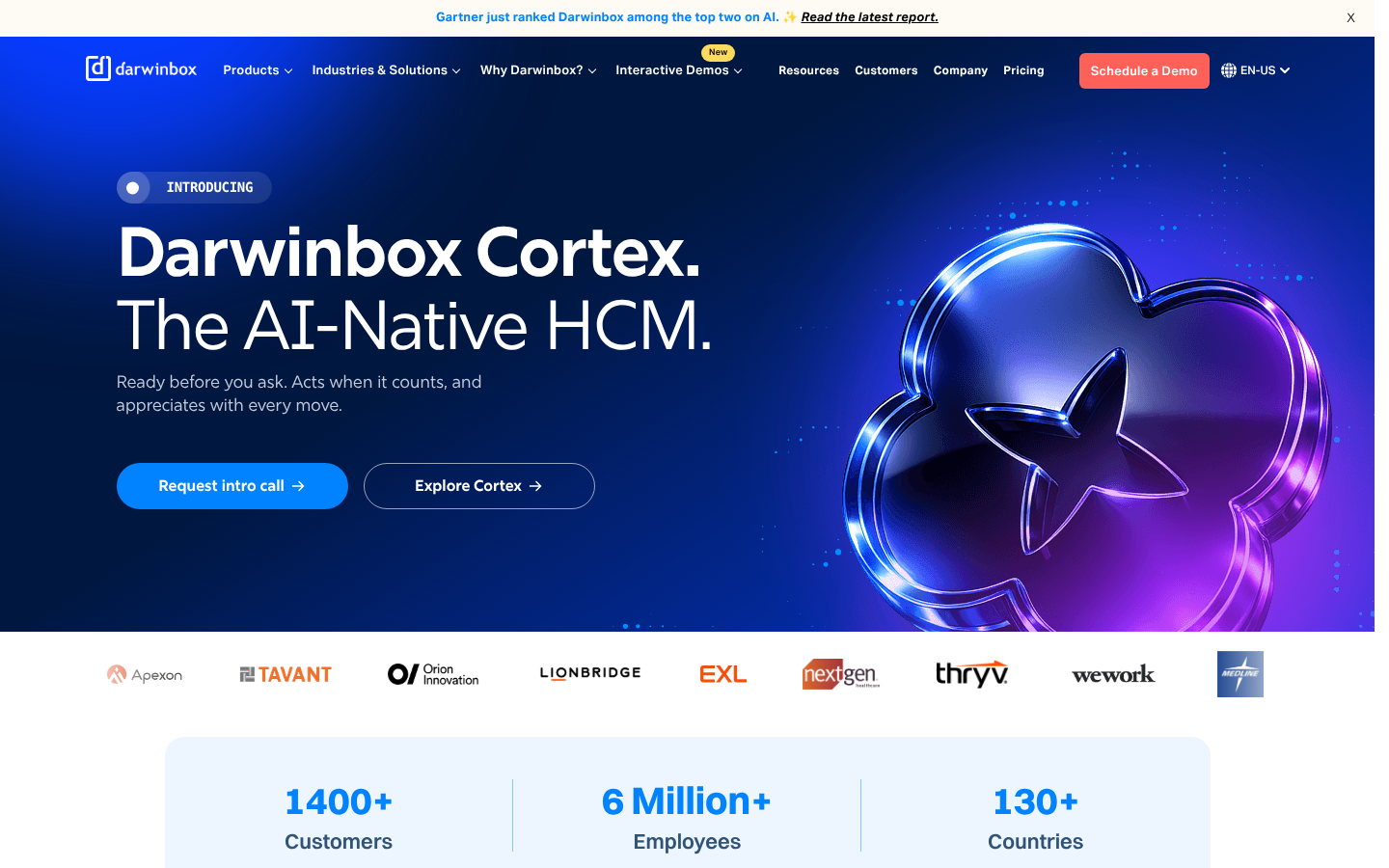
Best for: Recruiting inside a full HR suite.
Key strength: Darwinbox’s recruitment module adds AI-based screening, an AI job match score and a voicebot for candidates. Hiring data flows into core HR and onboarding in the same suite, and candidate alerts go out on WhatsApp.
What to check for APAC: Whether WhatsApp works beyond alerts, which Southeast Asian languages the recruiting module supports, and whether data can be hosted in the region.
Data compliance and AI governance: Darwinbox lists SOC 2 Type 2 and ISO 27001. Hosting region: not stated publicly.
Pricing model: Quote-based, priced by module.
5. FAQs
Will AI recruiting tools replace recruiters?
No. AI takes on screening, interview scheduling and note-taking, but people make the final hiring decision. Singapore’s PDPC also says organisations remain primarily responsible for the AI systems they choose to use, which is one reason to keep a person reviewing AI recommendations. See the governance step in section 3.
What is the difference between an AI-native ATS and an ATS with AI features?
An AI-native ATS is designed around AI from the start; an ATS with AI features adds AI to an existing platform. The label matters less than what the demo shows: whether screening, interview and messaging data all land in one candidate record. Section 2.2 explains how to combine an AI ATS with point tools.
Are AI recruiting tools allowed under APAC data protection laws?
They can be, provided you meet each market’s rules on notifying candidates, consent and accountability. Keeping a person reviewing AI recommendations also helps; Hong Kong’s PCPD recommends it for higher-risk uses. Requirements differ between Singapore, Malaysia, Indonesia and Hong Kong, and section 3 summarizes each market’s data protection rules and AI guidance for hiring. This is general information, not legal advice.

Next step: build your AI hiring stack
Find your market and team type in section 3, then score three tools from your shortlist against the five factors in order. Pick one AI ATS as the core of your stack, and add point tools, such as skills tests, only where a stage is a real bottleneck.
If you hire across Southeast Asia and Hong Kong, test Moka AI the same way. Request a demo with one real job and your own resumes, and see AI Resume Screening, AI Interview and the WhatsApp Agent work on your hiring.
Related reading: AI resume screening · WhatsApp recruiting agent · Moka AI × Lark · Traveloka case study

Author
Damon Liu
Marketing Manager
Hello everyone! I'm part of the Editorial Team at Moka AI, where I focus on global content, including writing and editing in-depth insight articles. I love exploring new ideas, discovering new tools, and finding fresh perspectives. My goal is to create content that’s genuinely valuable and helpful for HR professionals, while keeping it engaging, relatable, and fun to read!